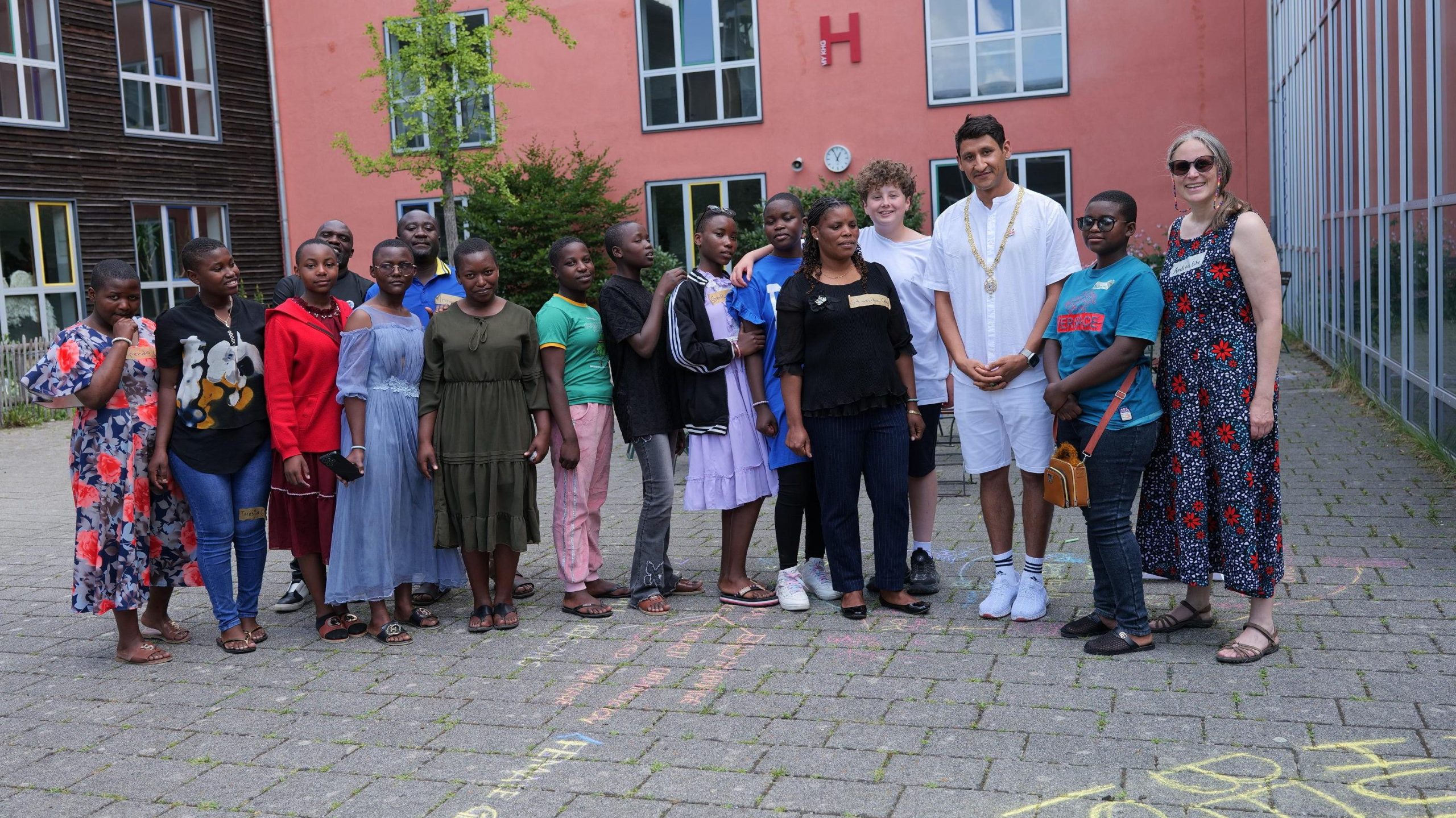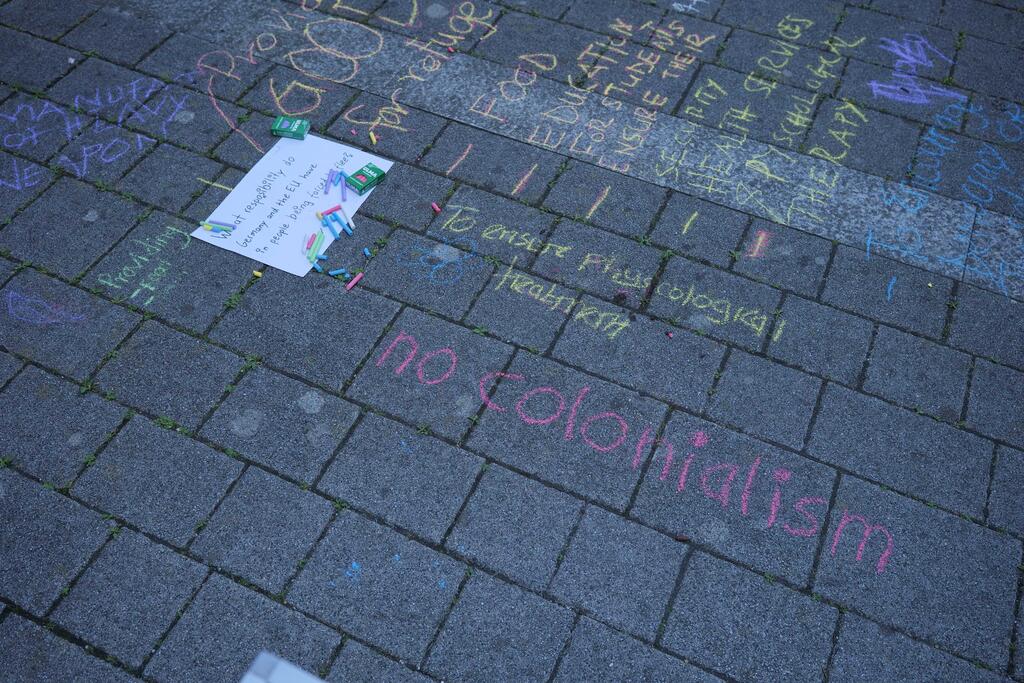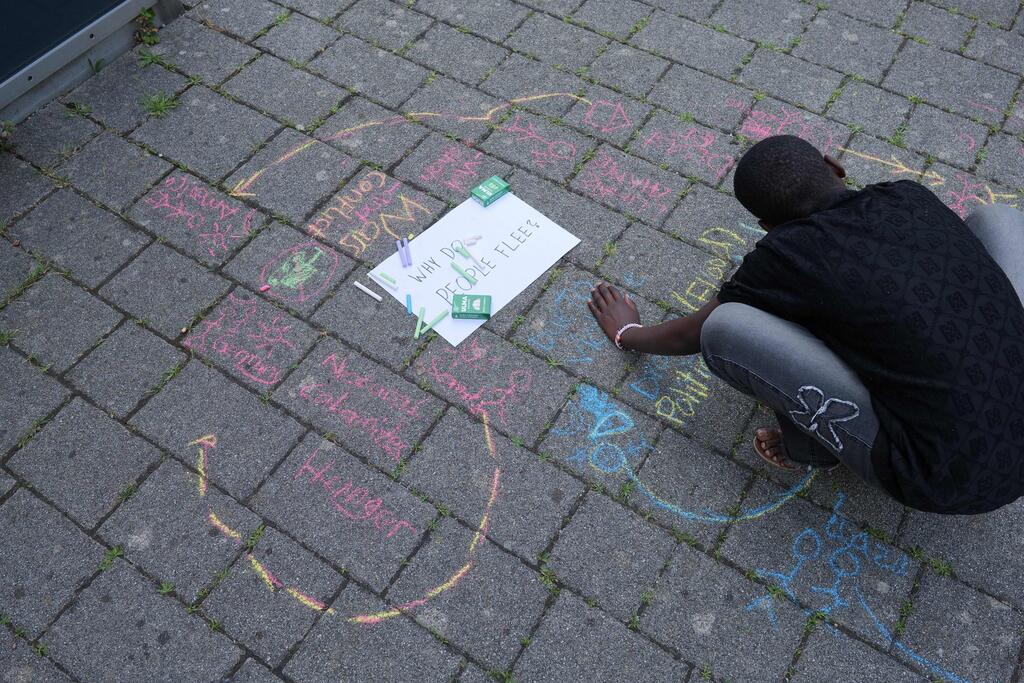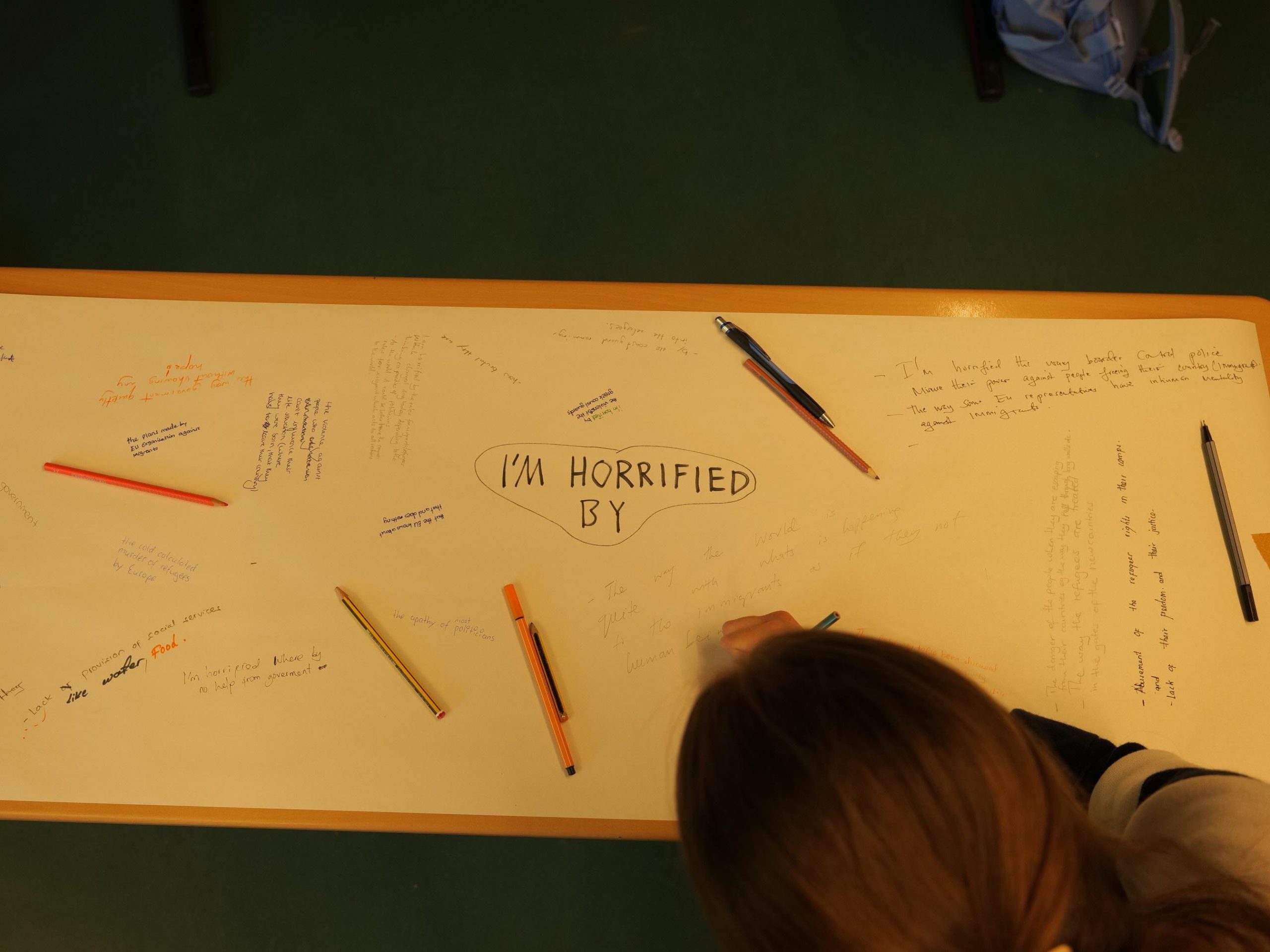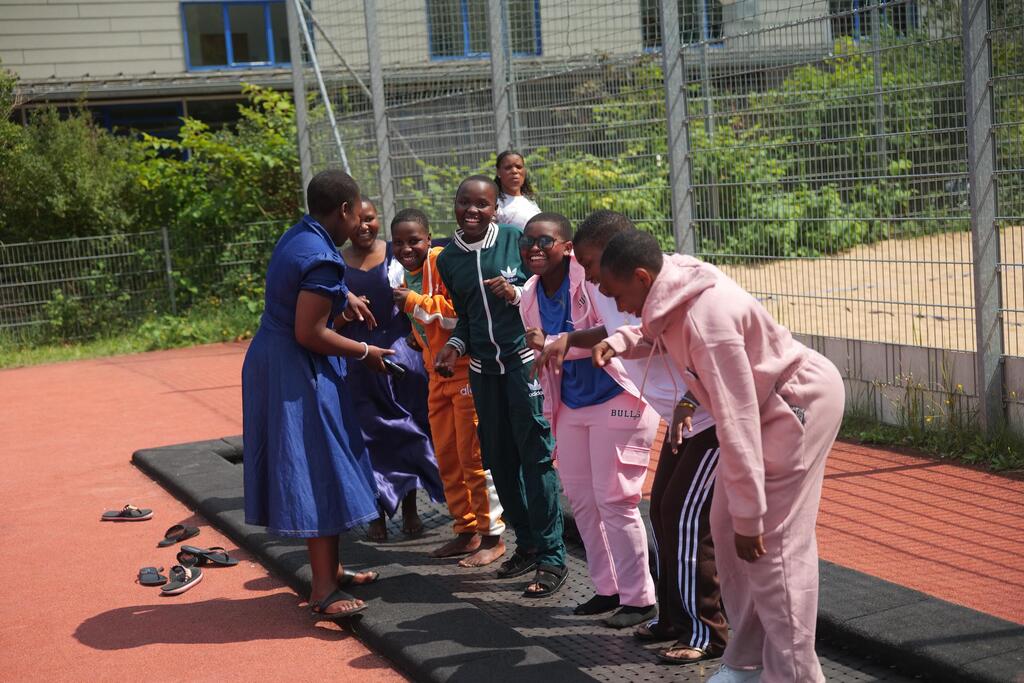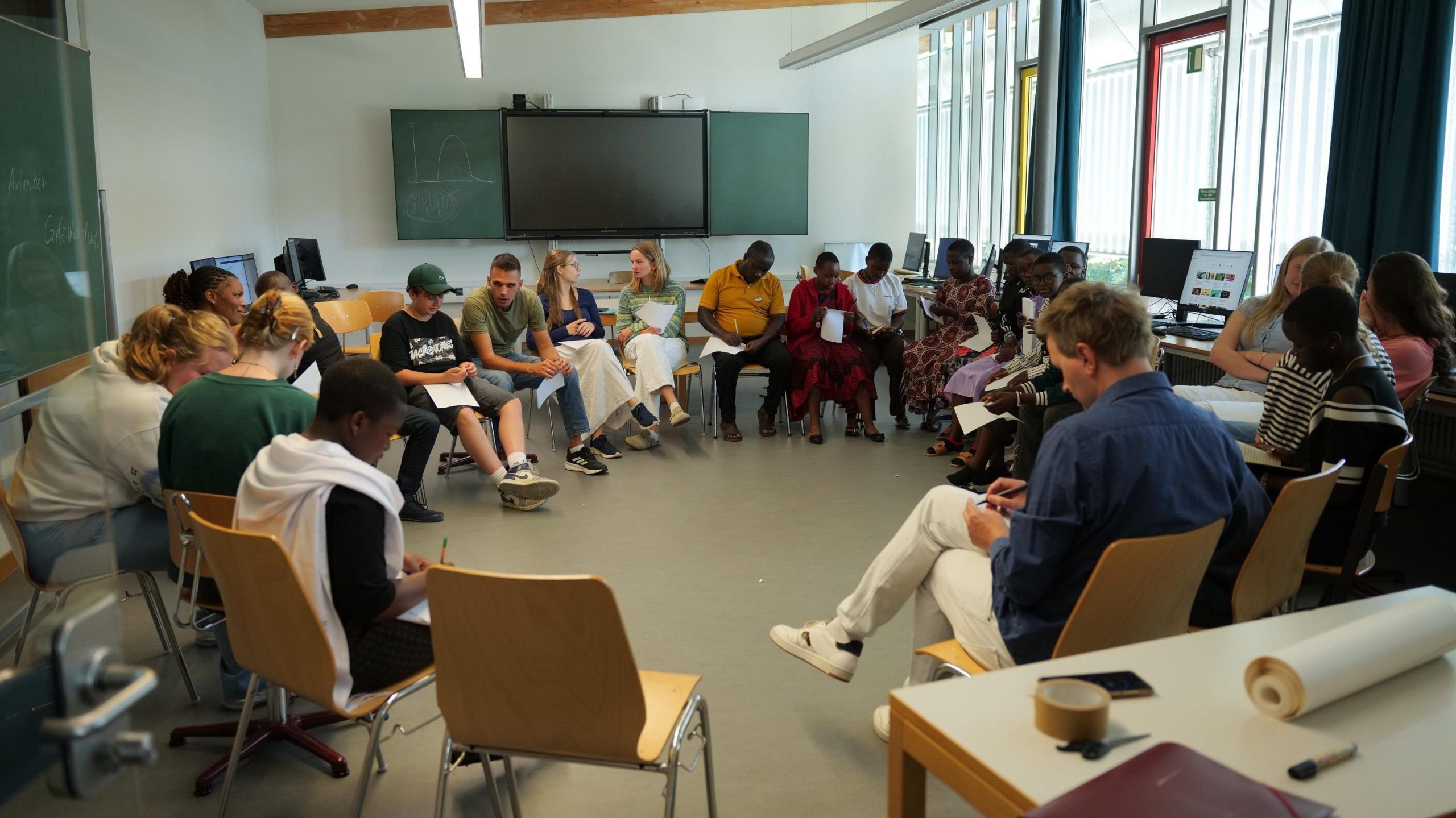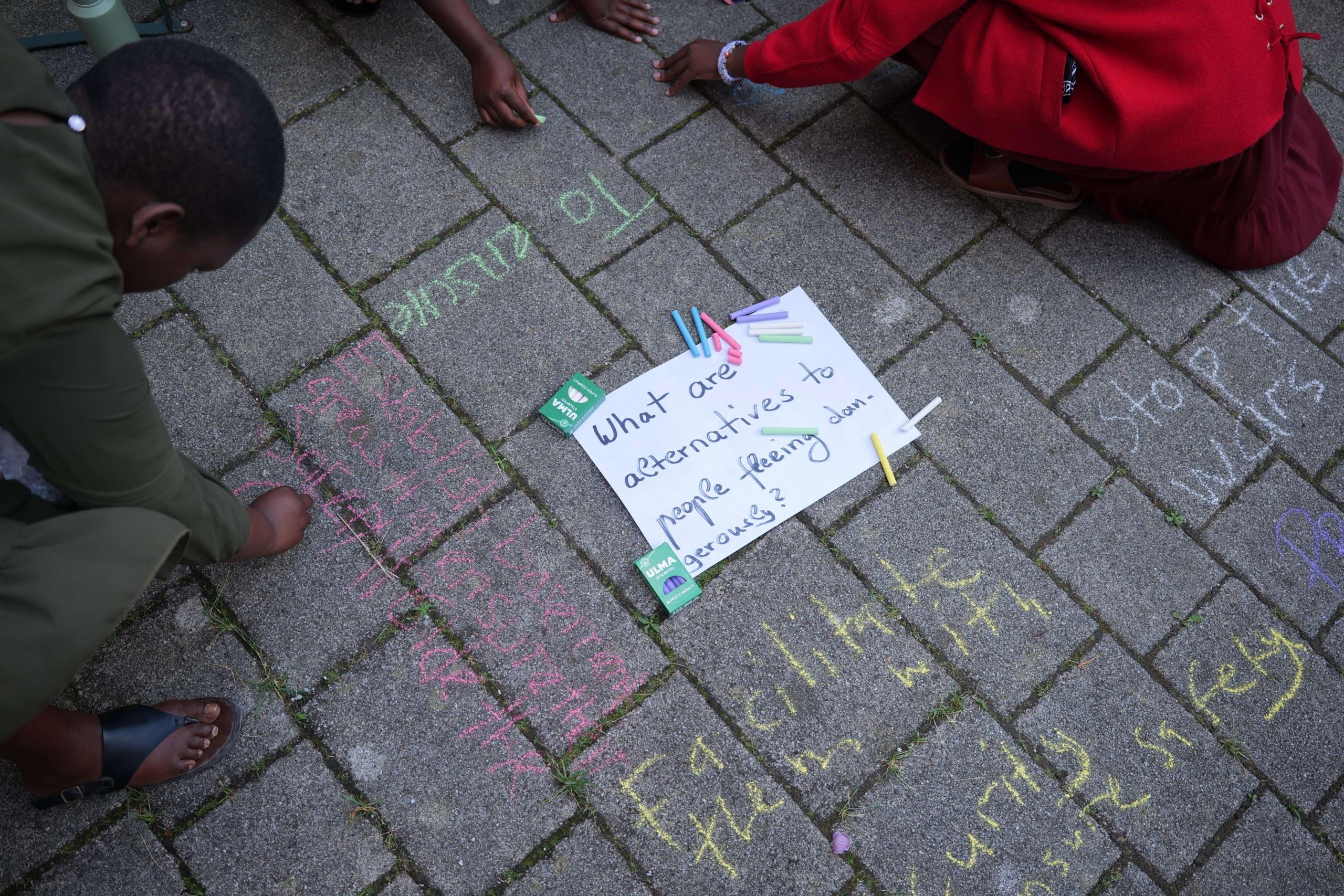
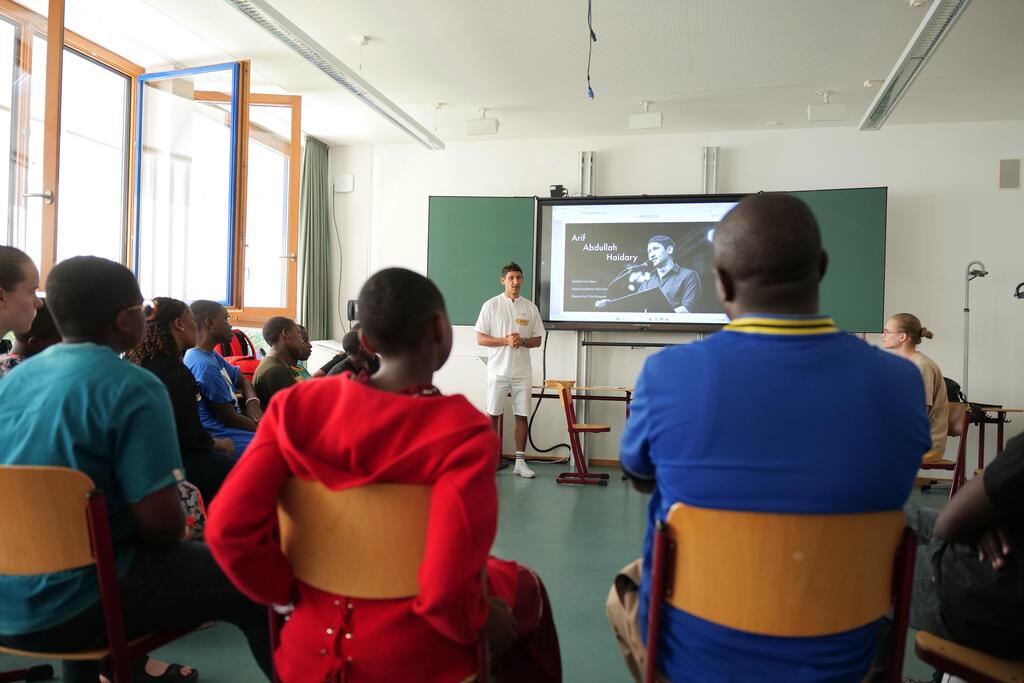
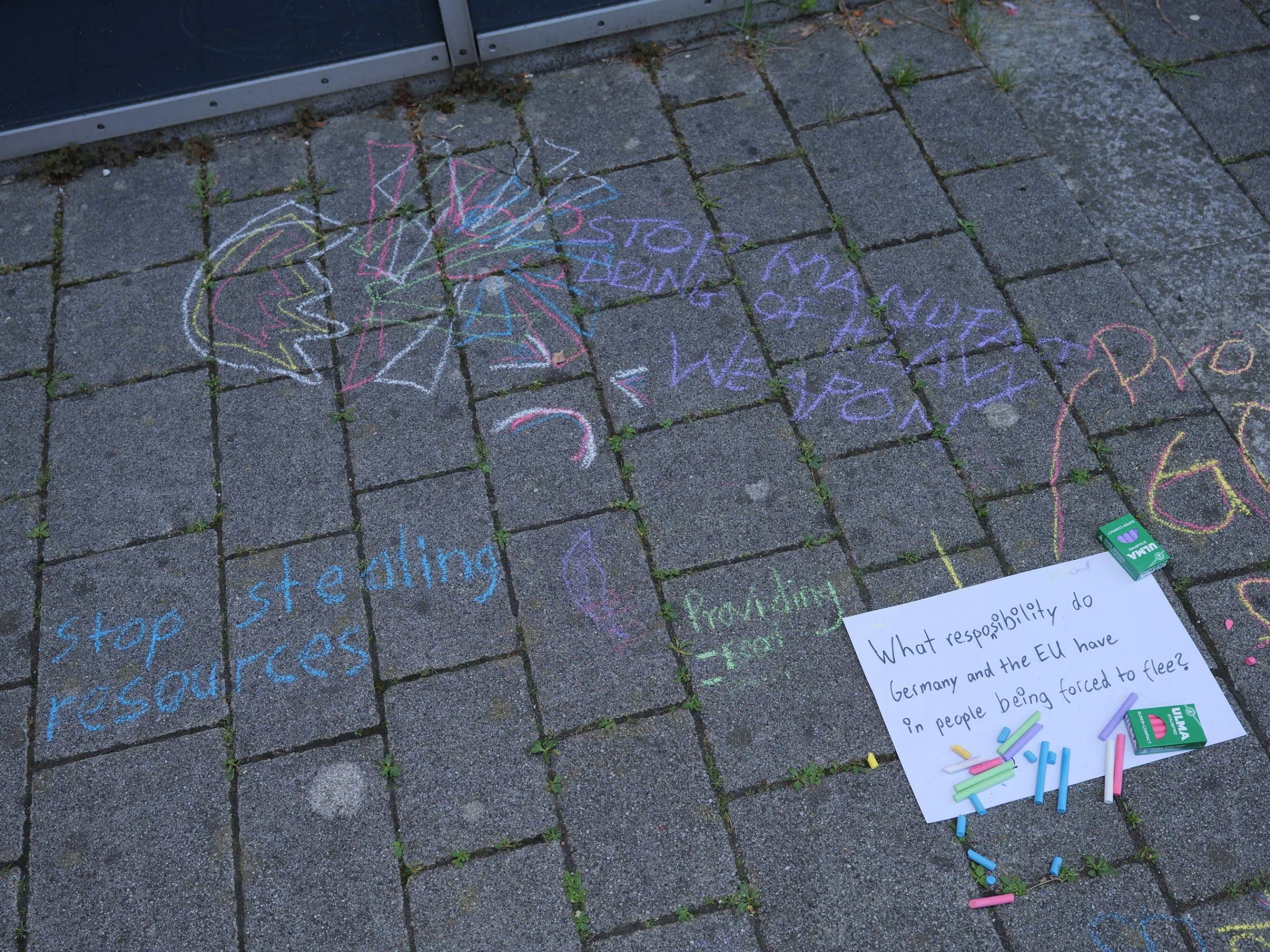
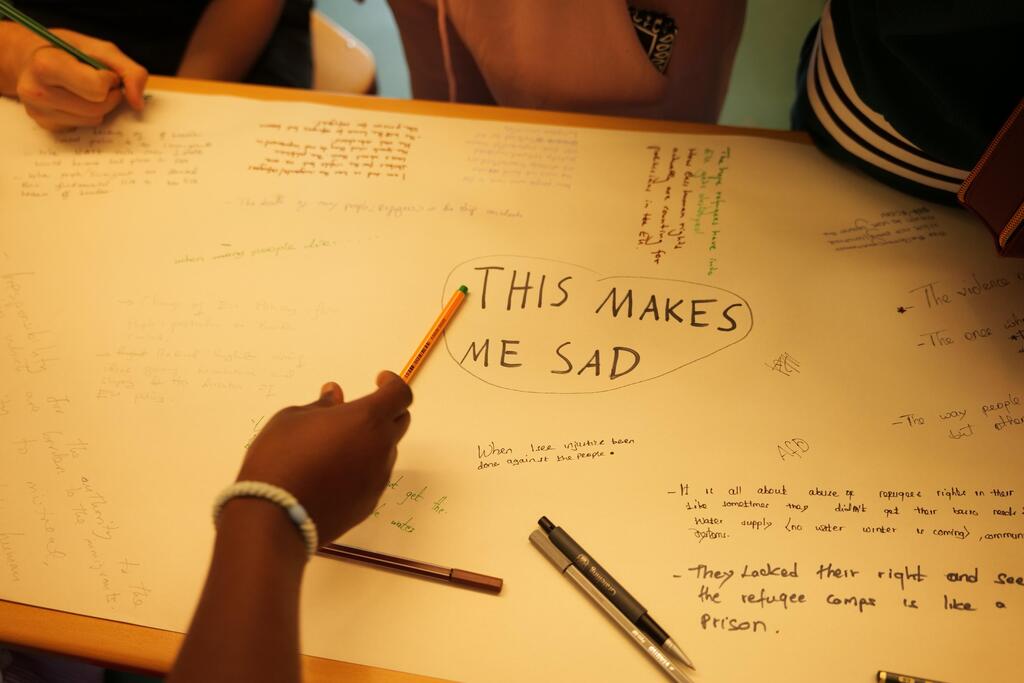
On Saturday we were very happy to meet with Arif Haidary who is a member of Munich city council as well and Münchner Migrationsbeirat and works for Bayerischen Flüchtlingsrat. He told us a lot about how big prison like arrival centers for refugees treat migrants very badly and are in awful shape, containing mold and dangerous bed bugs that would put any other house under immediate quarantine. Refugees can be forced to live there for up to two years and the centers are located far away from cities. They are not allowed to bring food they bought with their own money inside, they are not allowed to cook, they do not have refrigerators and are not allowed to buy them, they cannot receive any guests and their children cannot go to school. We talked a lot about “No human being is illegal” which means there is no one who likes to flee from their home country but there are some reasons which force them to do so, such as natural calamities, political instability, climate change, resource wars, searching for jobs and bad cultural practices. This implies that anybody anytime can become a refugee. We also did a creative activity writing our ideas on topics concerning Germany’s and Europe’s responsibility concerning refugees.
Nuru, Sturida and Moses
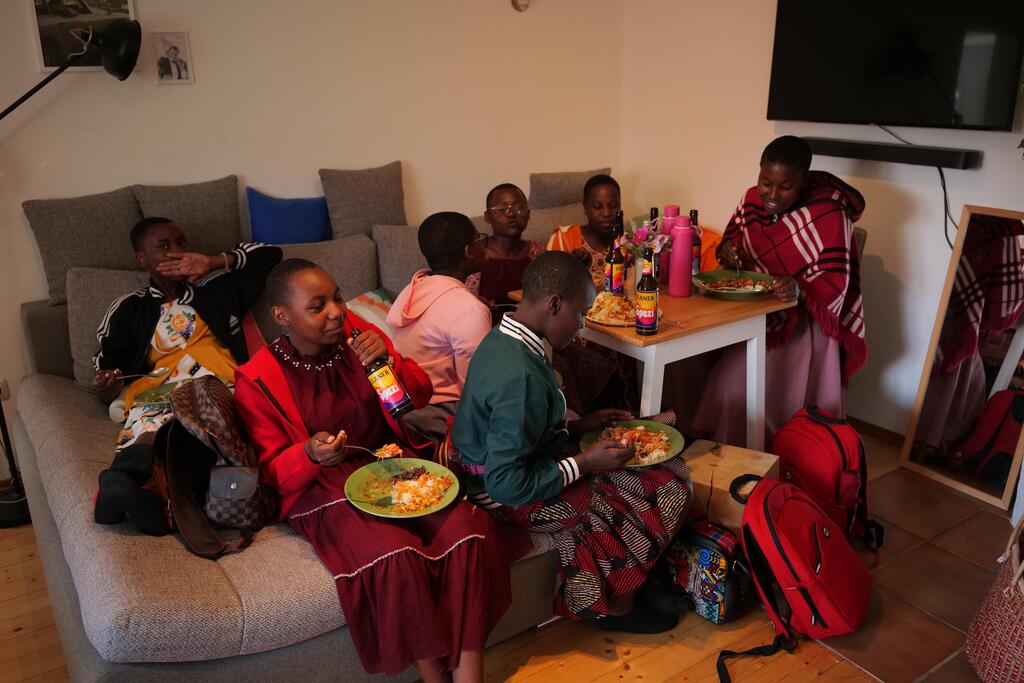
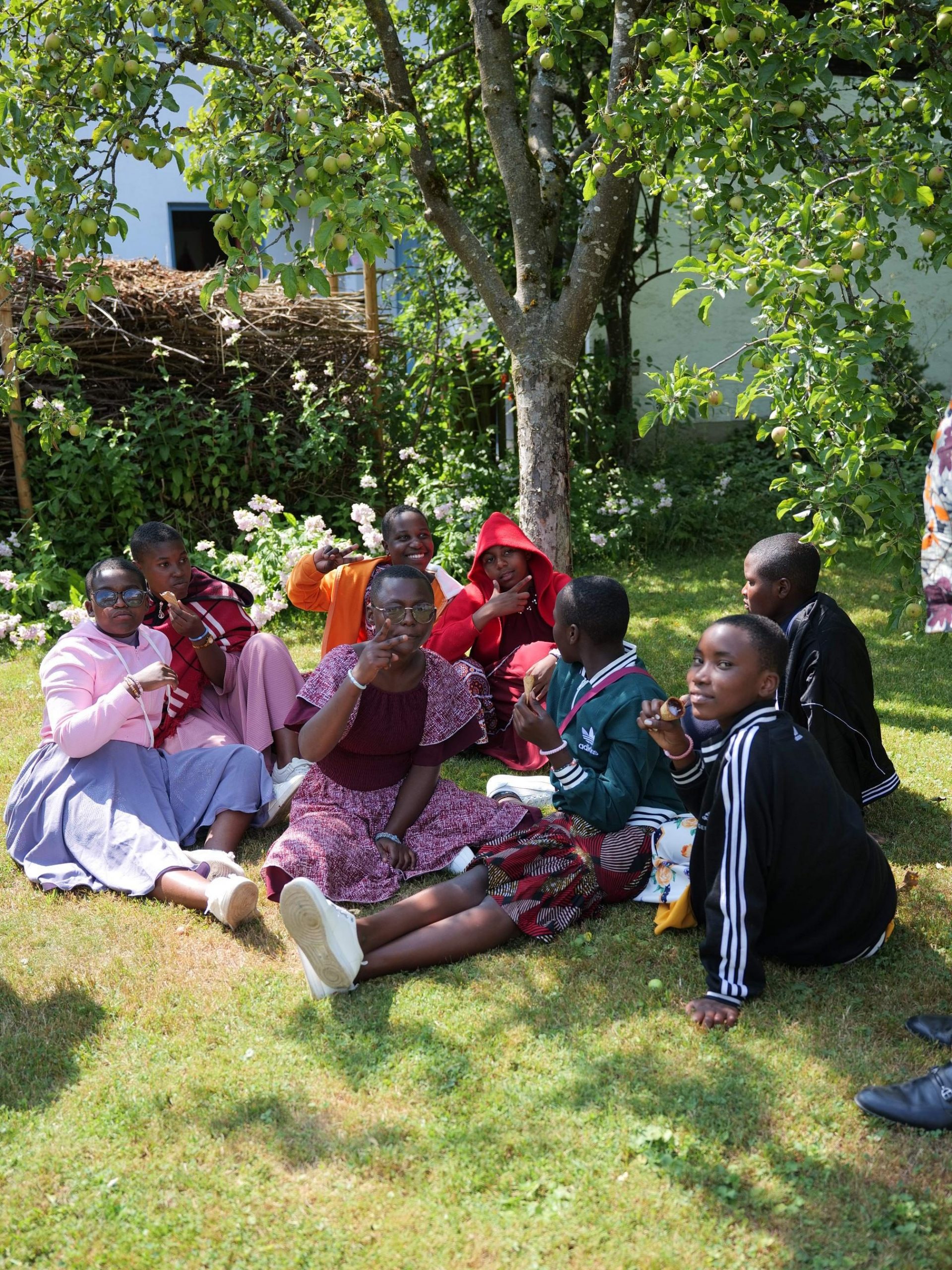
After finishing the meeting with Arif we went to look at the musical rehearsal of the school “Fame”. Also, we planned what we needed to buy for meals we wanted to cook for our trip the next day and went shopping together. After having some ice cream, we went to Andrea’s home so that we could communicate with our parents. We were very happy as we were missing them a lot and also, we were very happy to see the house and environment of family Rückert. After this exiting day we went back to our host families.
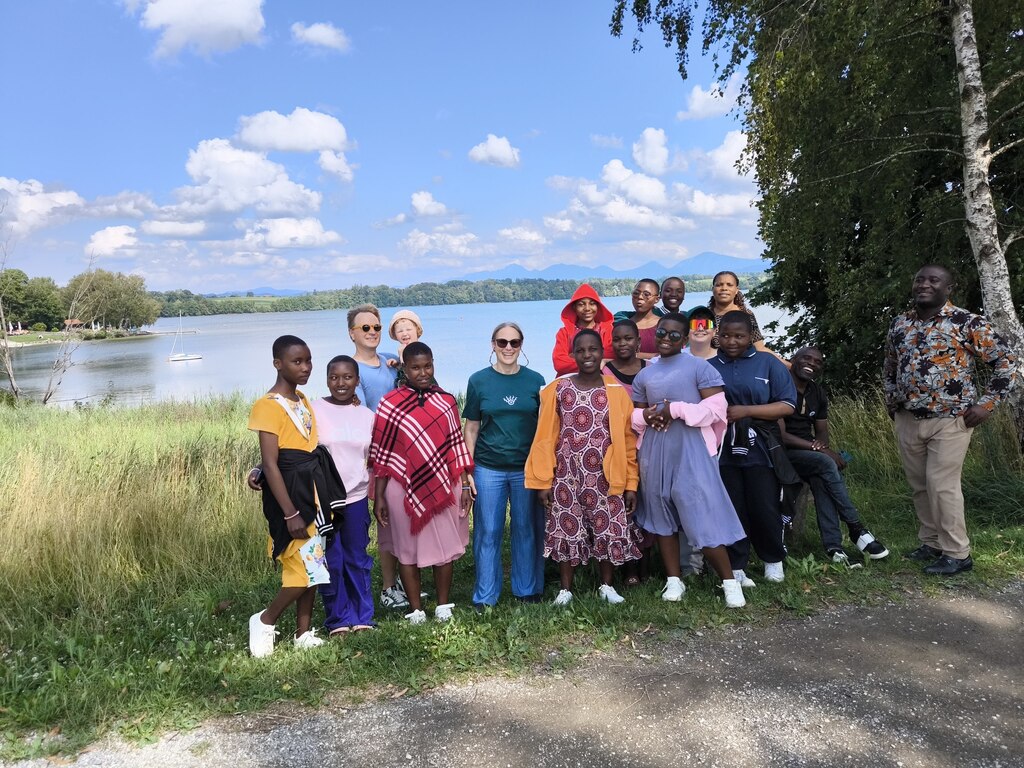
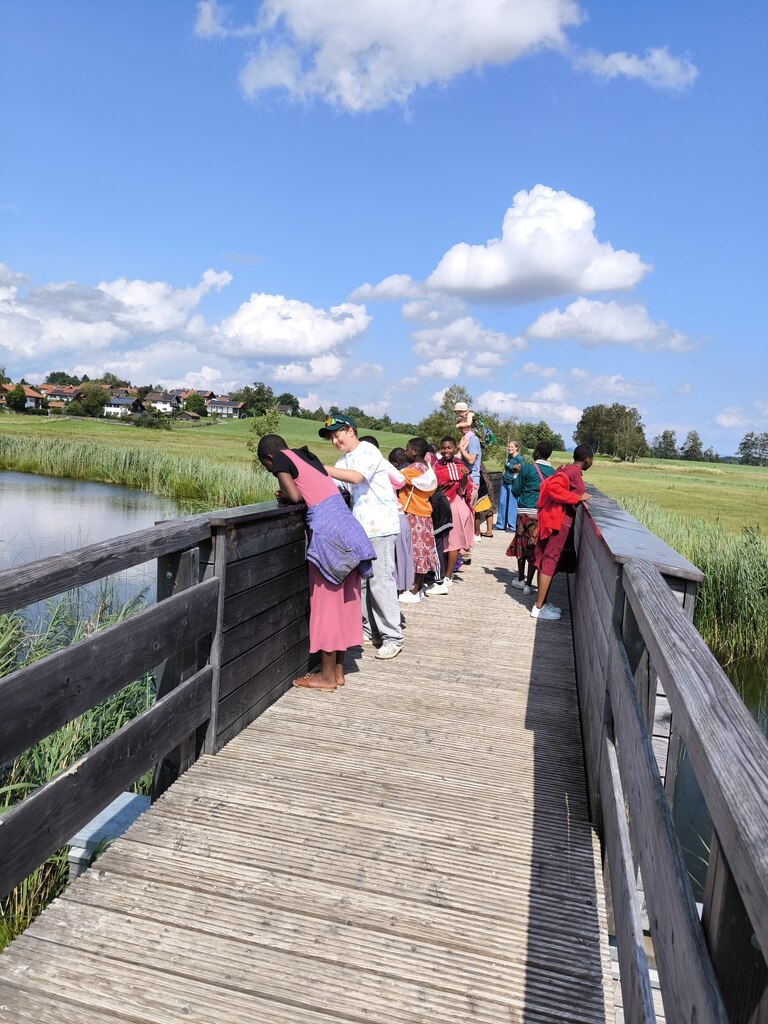
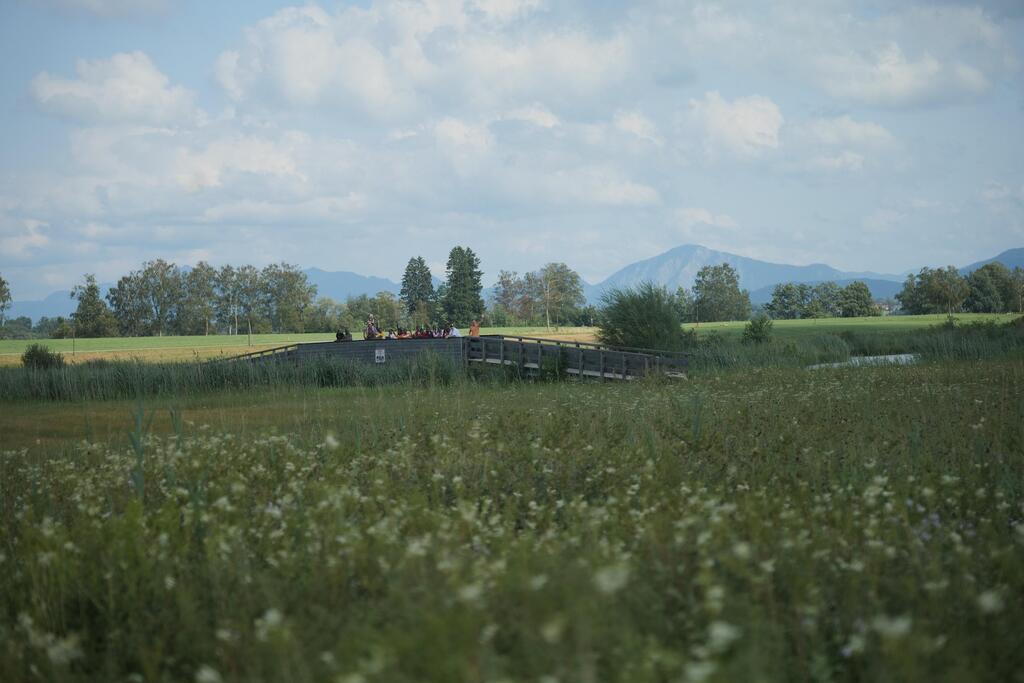
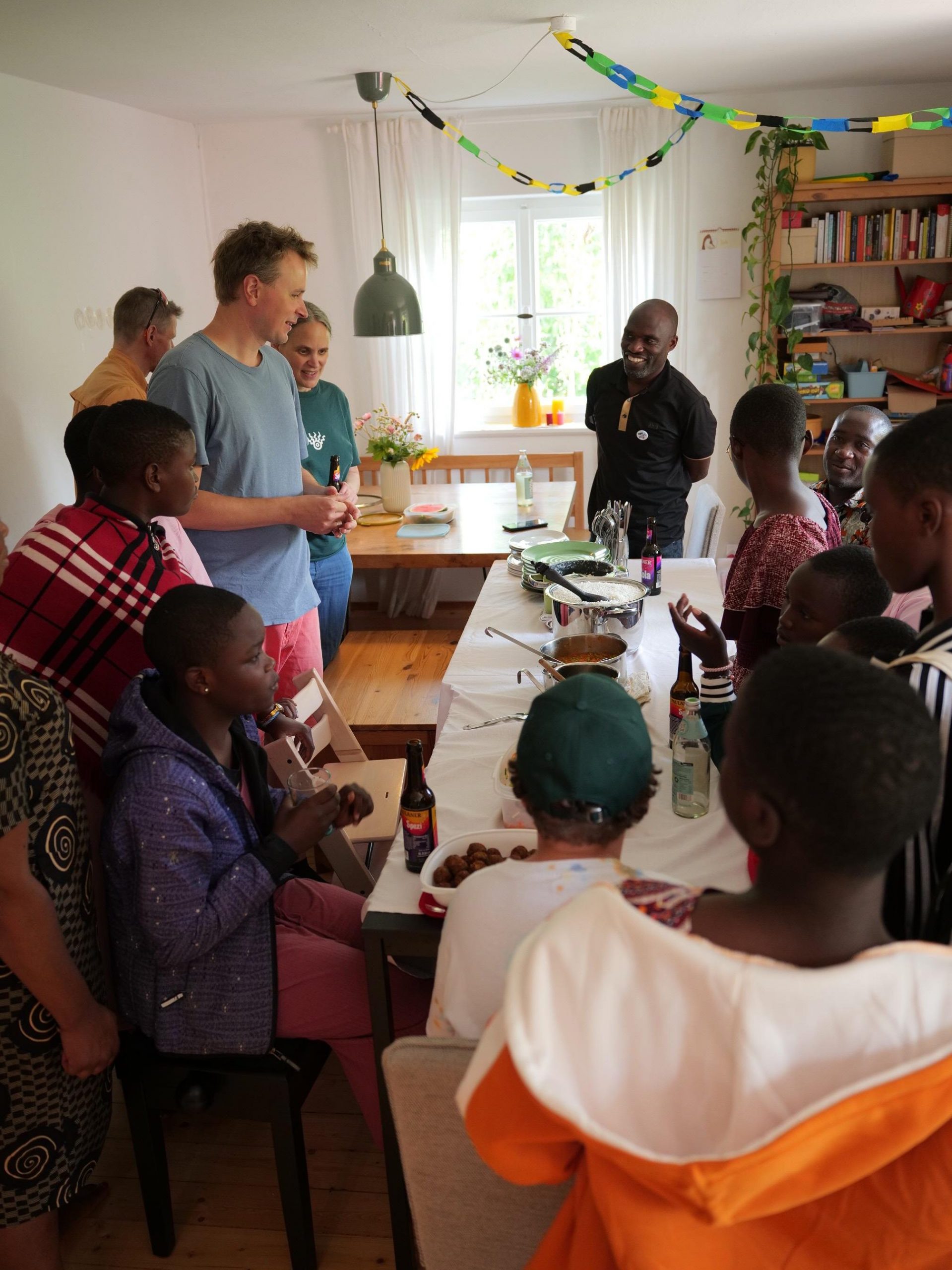
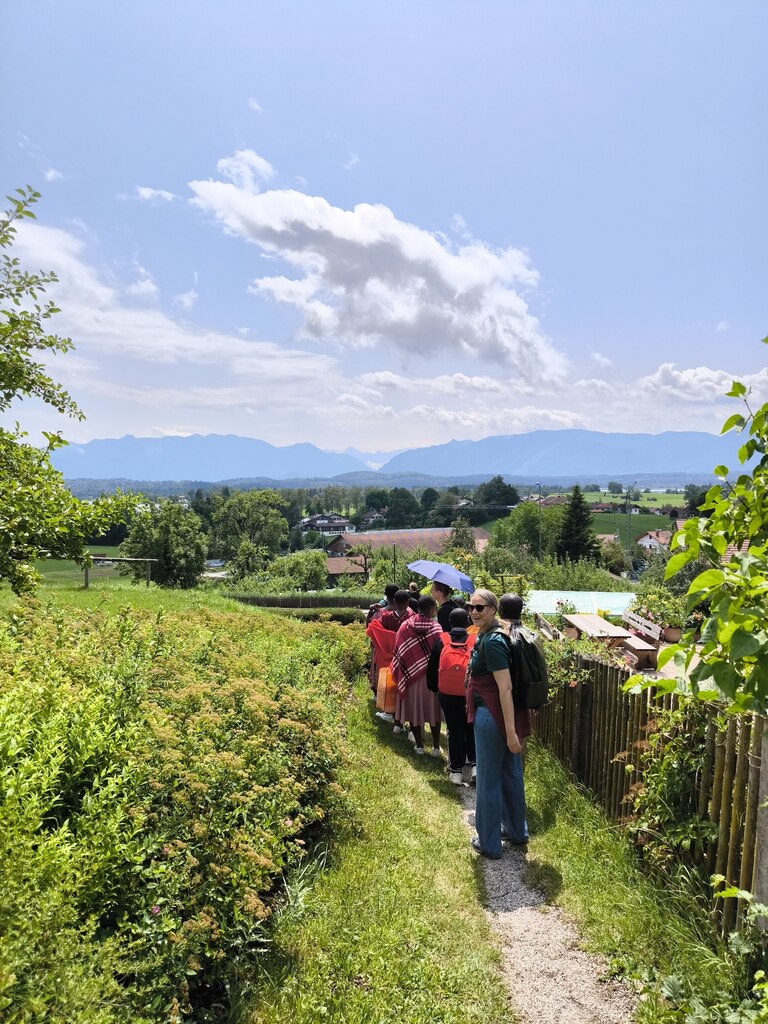
On Sunday we were going together by train to visit Julian’s family at the Staffelsee. This was also very exciting for us. We enjoyed so much to meet with Julian’s wife and children. We were eating Tanzanian food all of the group prepared so we had a very nice and big meal. For dessert we had ice cream and cakes and water melon. We also enjoyed very much to go for a walk and see the lake.
Rachel, Gerlinde and Agribeta
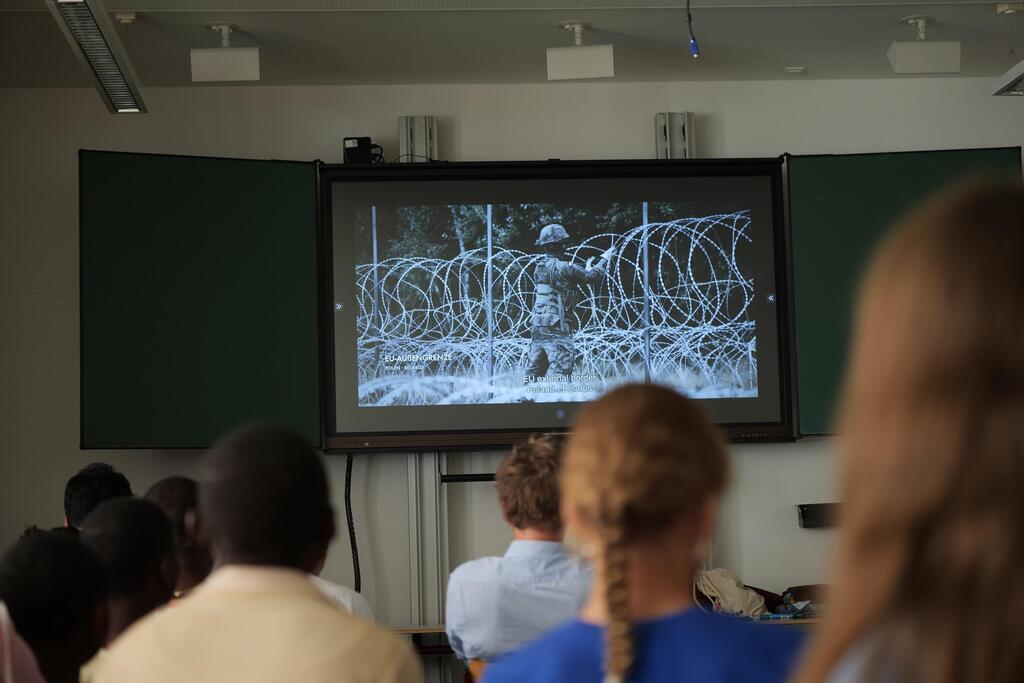
On Monday, we met Kerem from the NGO Medico International. Together, we watched the documentary “Kein Land für Niemand”.
We were shocked by the way refugees are treated in the Mediterranean and by the fact that the German government and EU fund these criminal practices of cost guards and the Libyan militas. In the German Parliament, as well as in the European Parliament, there is a majority of parties that support policies making life even more difficult for refugees.
At the same time, there are many people and NGOs that speak out in support of refugees. Kerem helped us understand the situation in greater detail, including the prison-like facilities where many refugees are held after arriving in the European Union. He also shared his personal experiences from different countries, which gave us a deeper insight into the challenges refugees face.
Berinda, Agnes, Josef and Julian
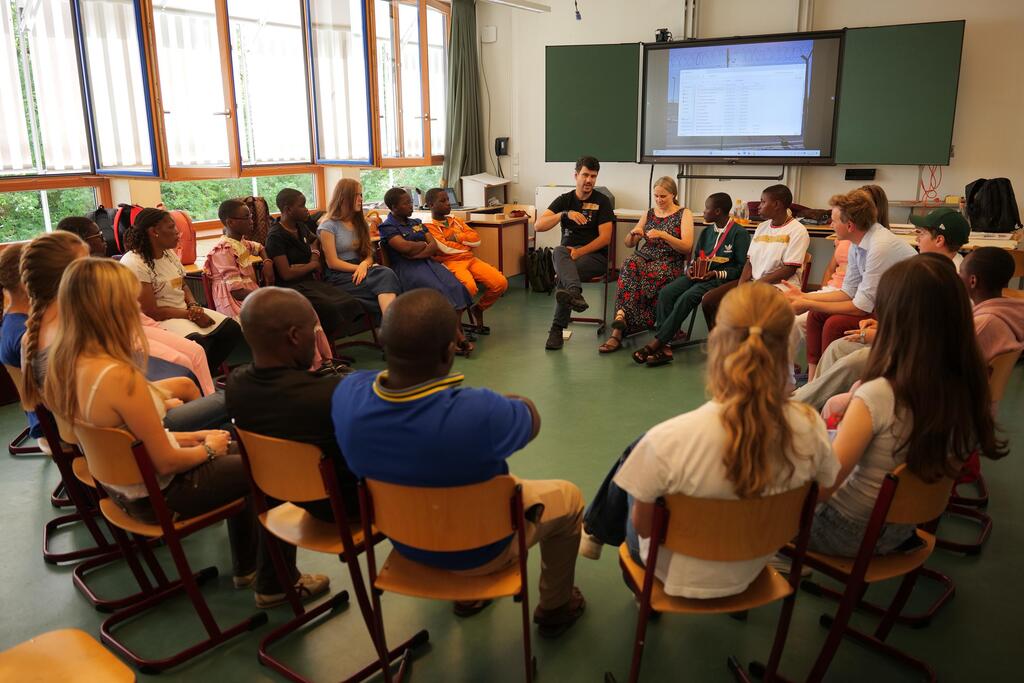
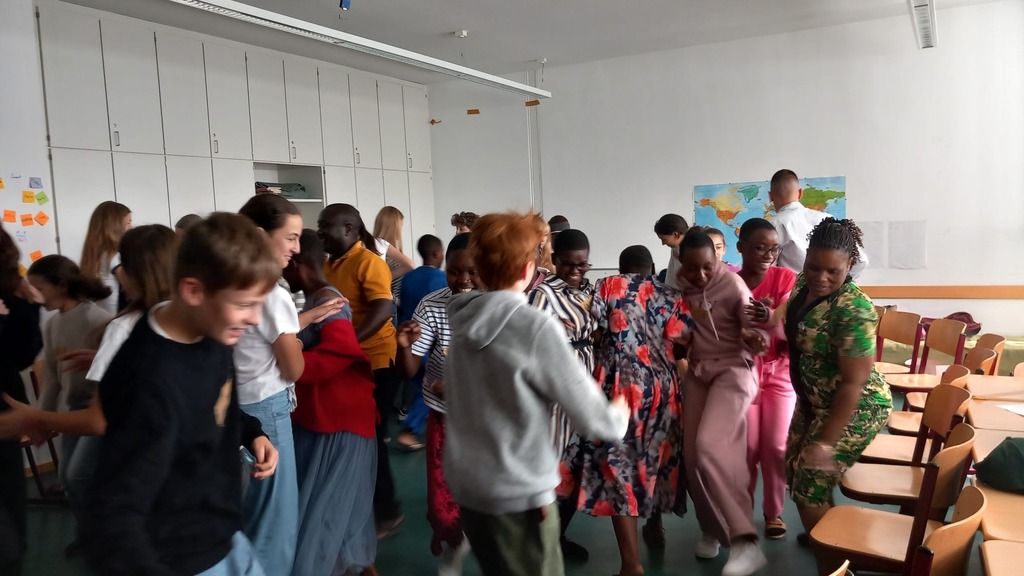
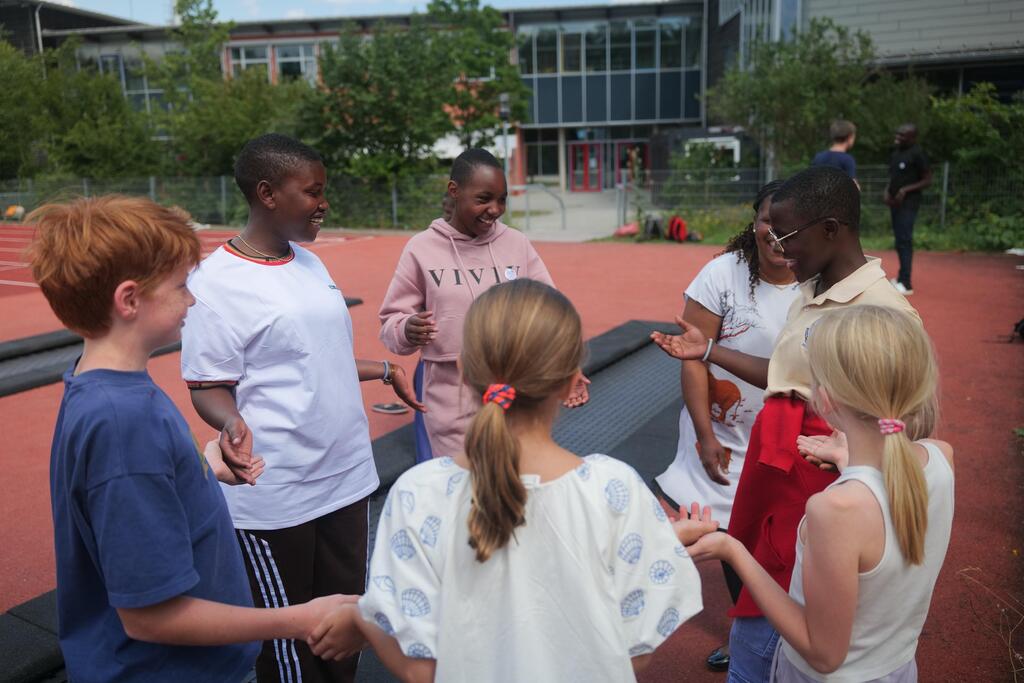
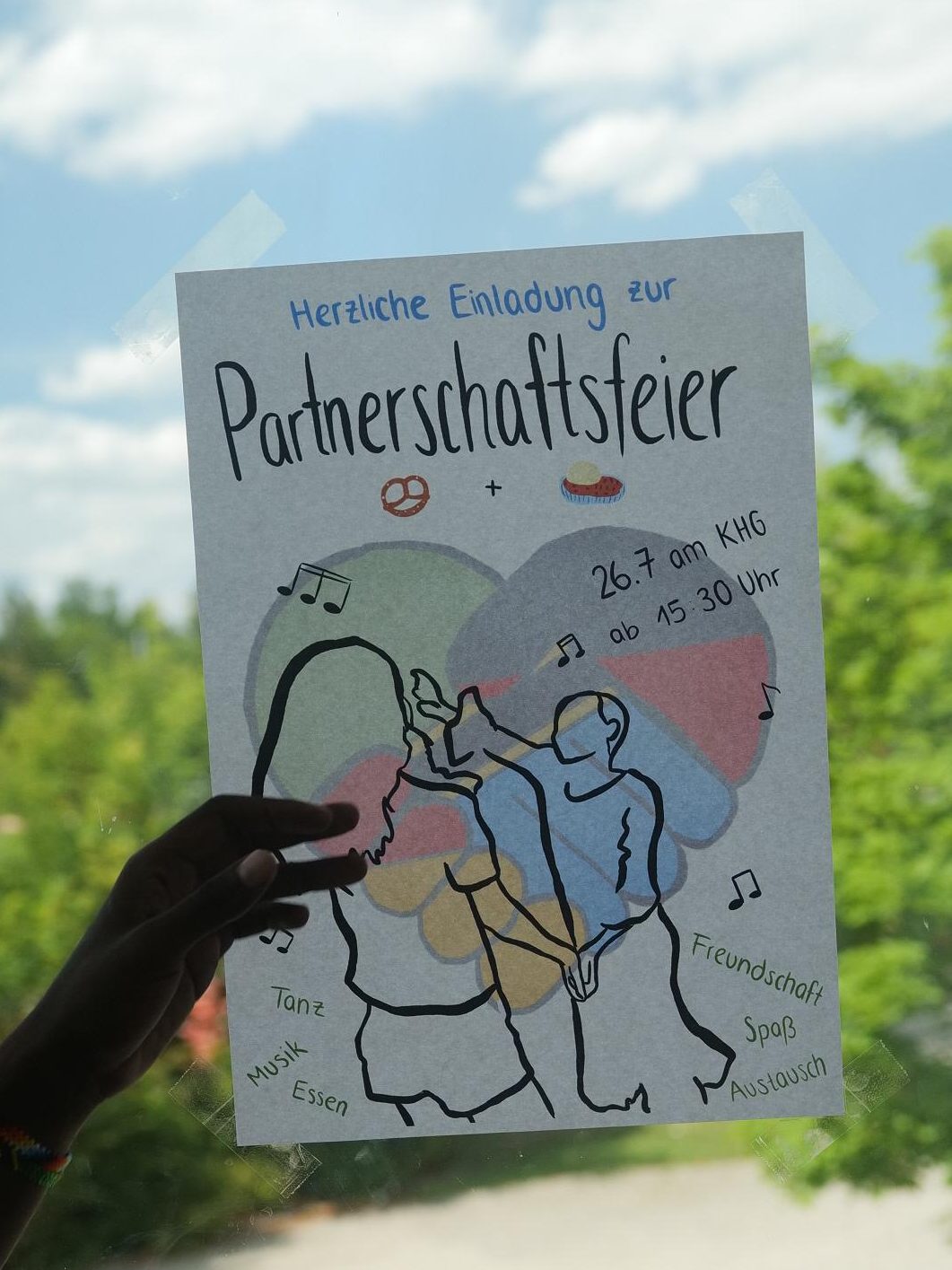
At Tuesday we met again with the whole Tansania-AG, so also the younger students were with us. After playing some games to get to know each other better, we discussed and planned for the very special partnership celebration which will take place on Sunday 26th July 2026 from 3:30pm to 7:00pm in the Pausenhalle of Kurt-Huber-Gymnasium. There will be Tanzanian and German music we choose to be played, speeches and presentations, dancing performances and also dancing together. Tanzanian and German food will be available. You are warmly welcome, don’t miss our partnership celebration!
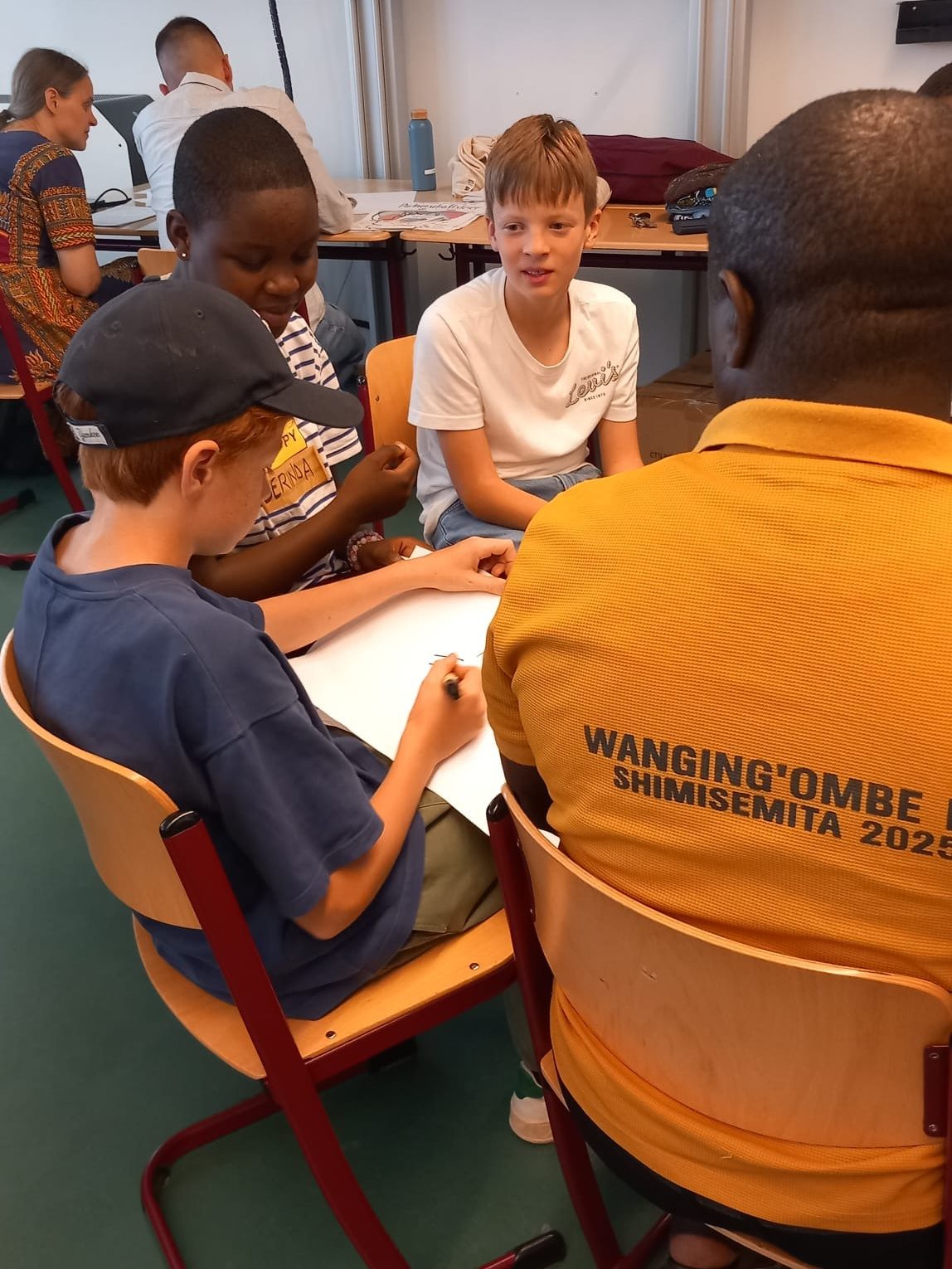
Tuesday afternoon we met with members of Seebrücke München which are campaigning for refugee’s rescue at Mediterranean Sea. They also shared stories of how refugees from Sierra Leone successfully fought against racist government deportation plans with a self-organized 1–2-year long protest camp. Additionally, they told us how people across Germany and Munich are organizing campaigns against the repressive “Bezahlkarte” that restricts refugees access to money and to where they can buy things. Their work brings hope to immigrants that despite of challenges there are good people who think about them. Let’s join our hands to encourage them.
Imani and Upendo
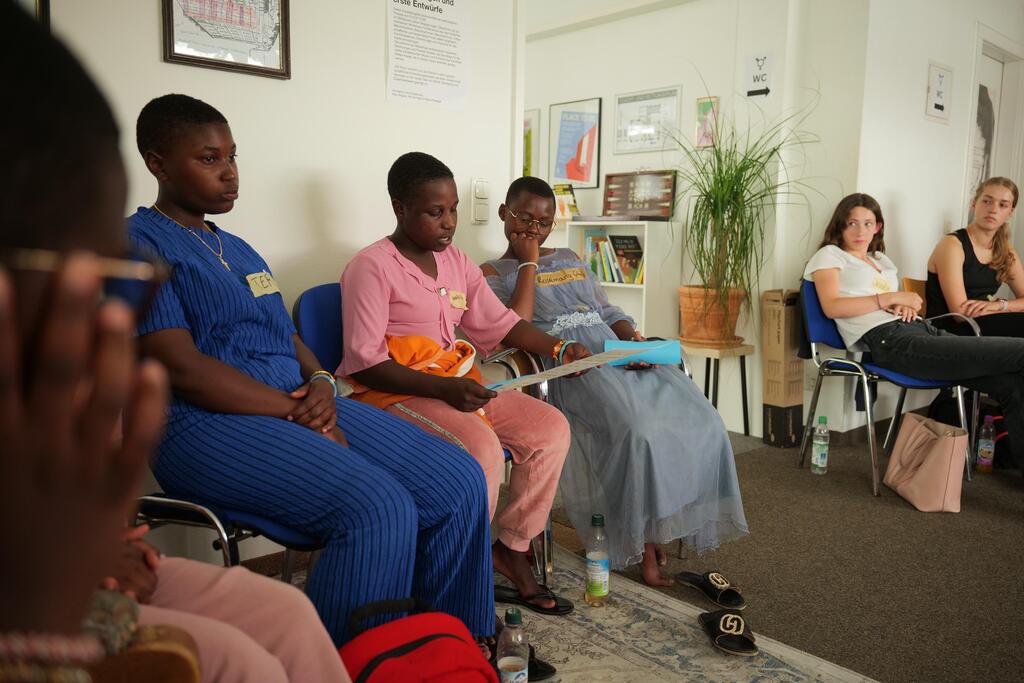
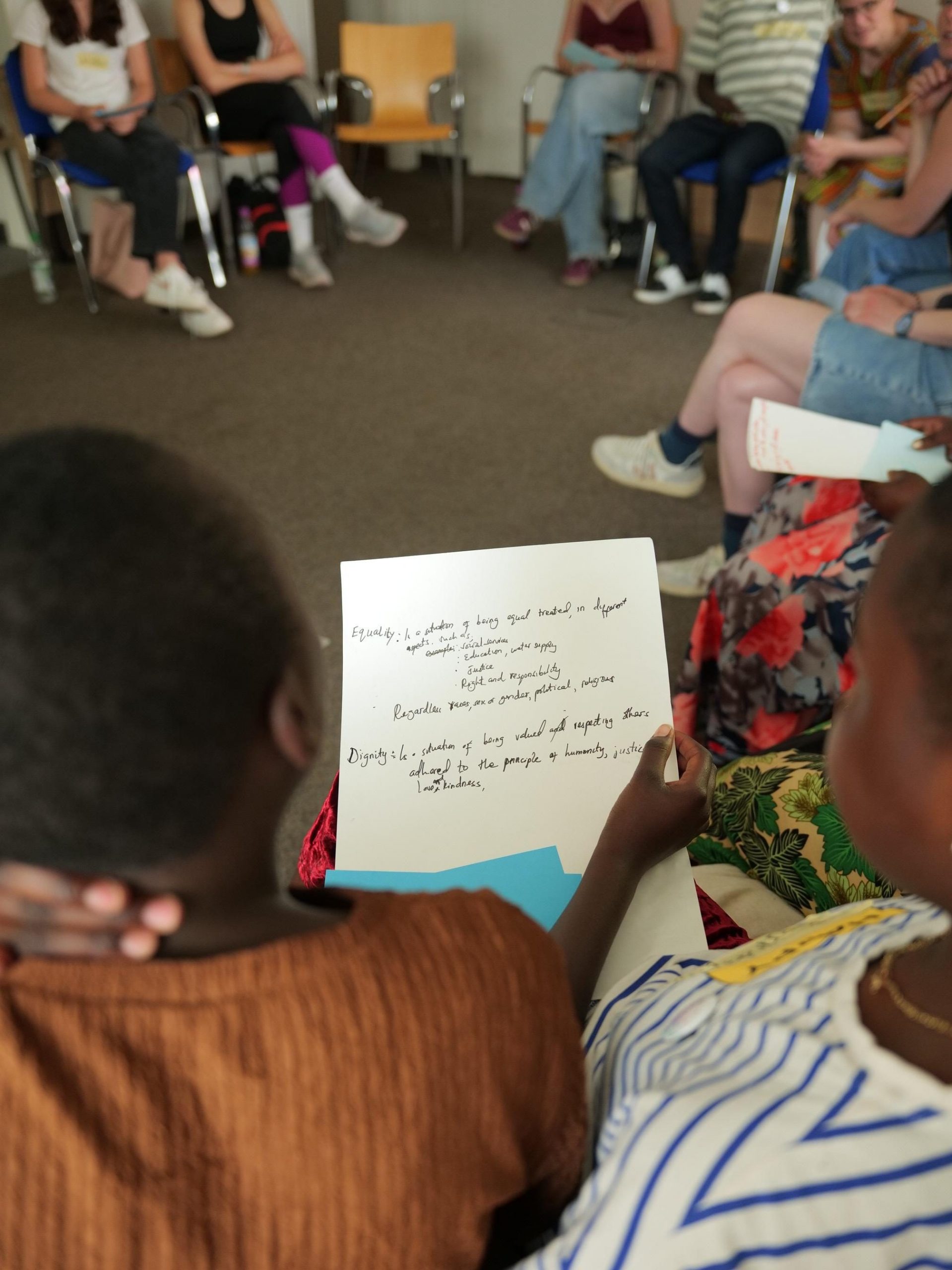
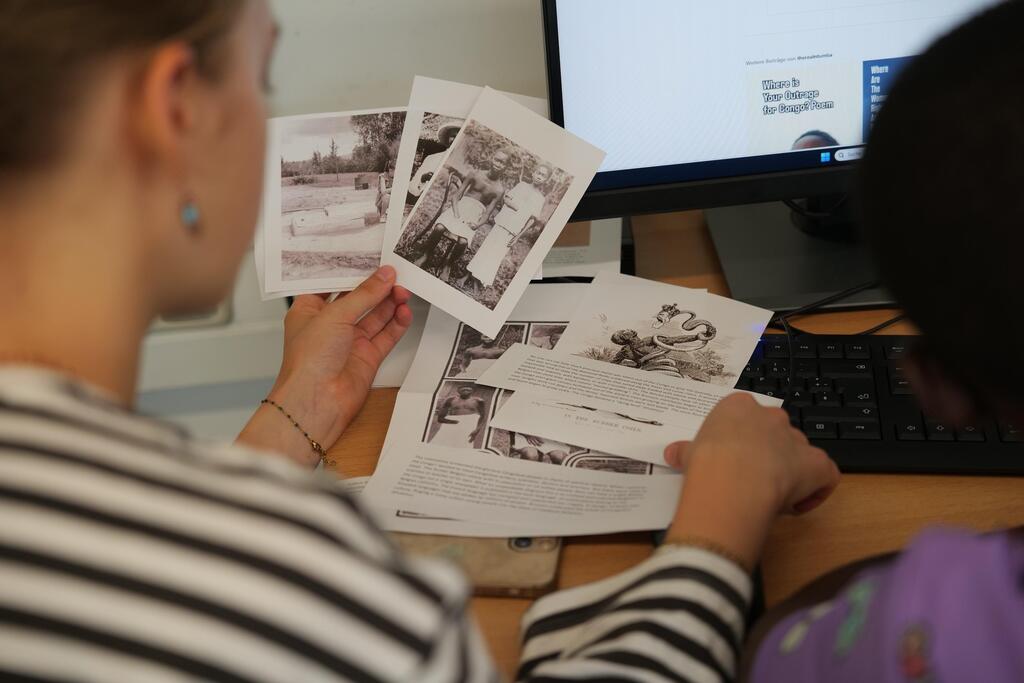
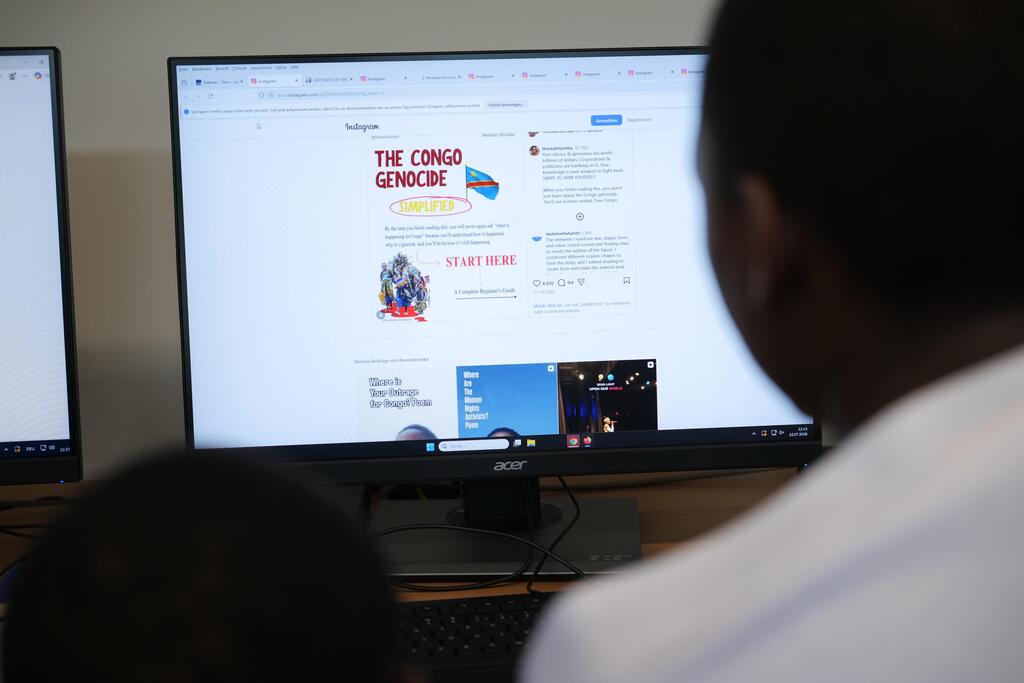
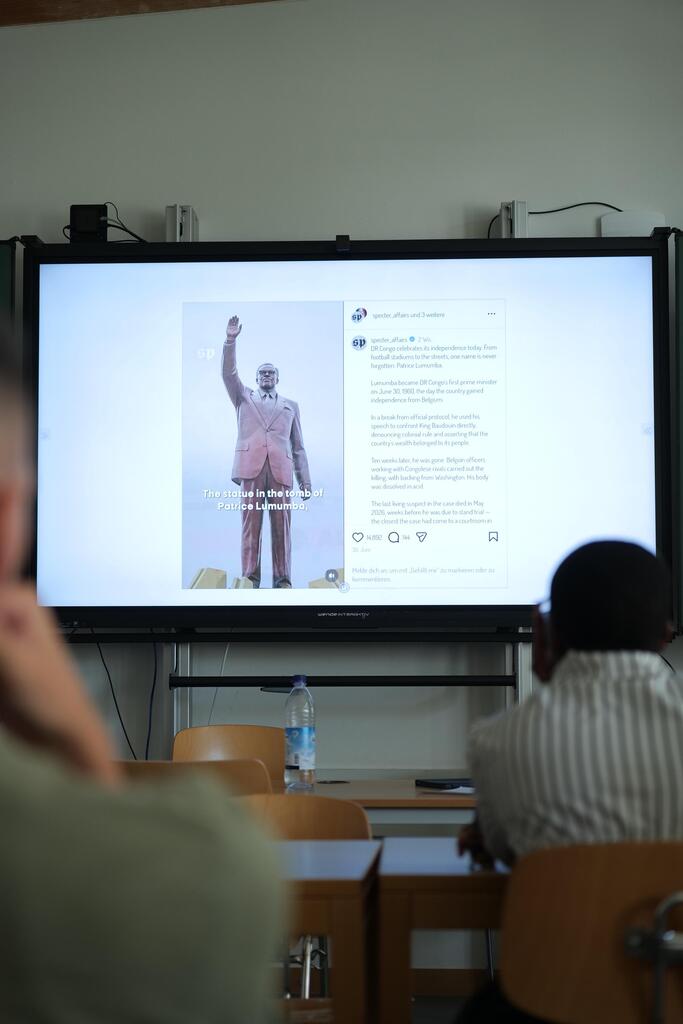
On Wednesday Benja did a workshop with us about why people are fleeing Democratic Republic of Congo. The DRC is a central African country that is rich in fertile soil, navigable rivers, minerals such as cobalt and gold.
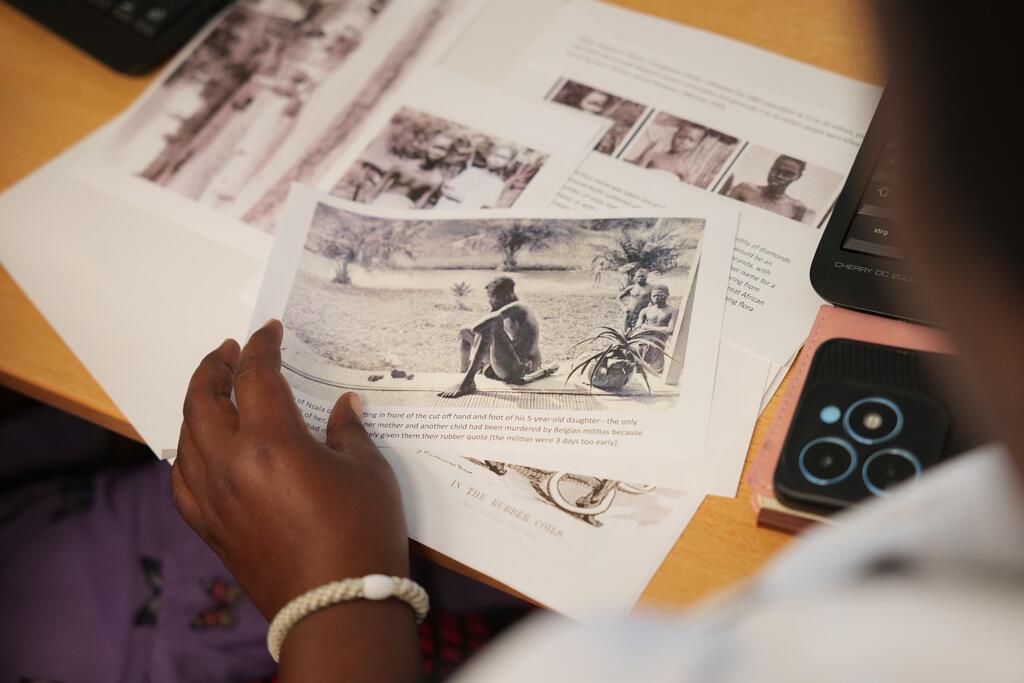
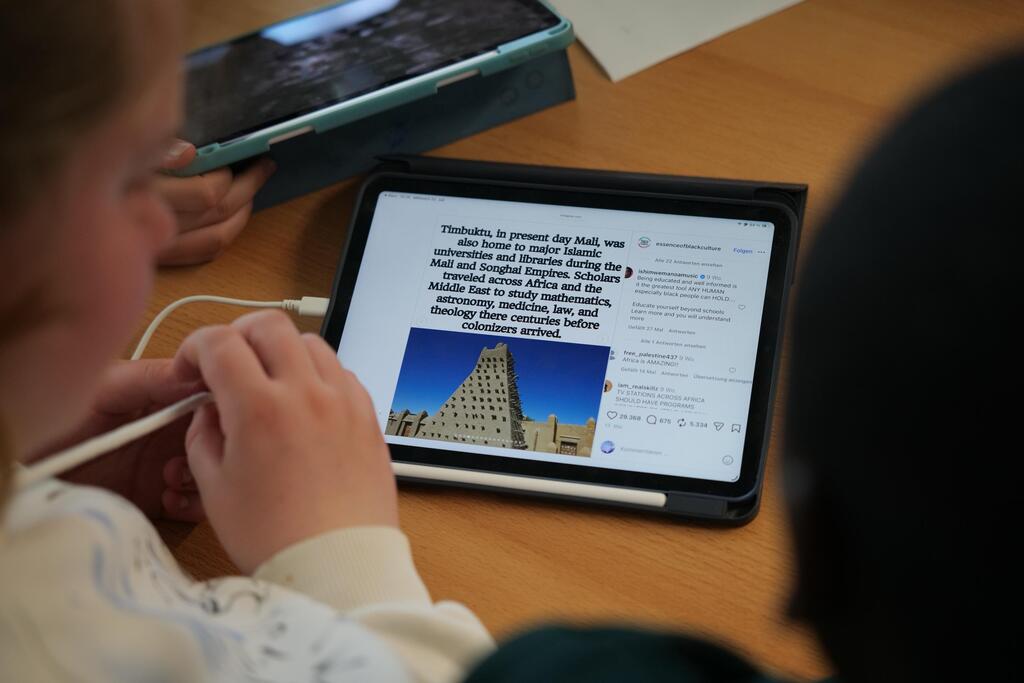
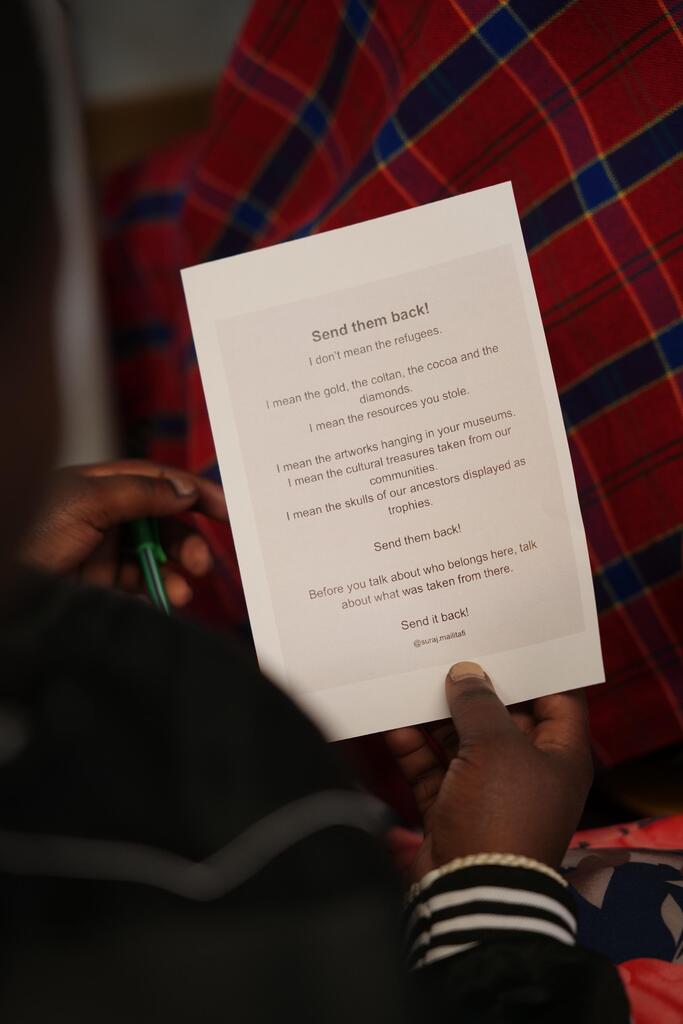
In pre-colonial times Congo and the rest of Africa had thriving societies, networks of trade and centres of knowledge and higher learning with women playing important roles in these structures – long before Europe had any of it. The oldest calculator in the world, dating back 22,000 years, was also found in the Congo. When Belgium invaded the country in cooperation with King Leopold II, the colonial reign, slavery and genocide were very brutal – Belgian militias would cut off limbs of people, murder them or their family members for not producing enough rubber. In 1960 the DRC’s first prime minister Patrice Lumumba vowed to nationalize Congo’s wealth for the Congolese people and to end imperial exploitation. The CIA and Beligian spy agencies spent more than 150 million $ to spread anti-Lumumba propaganda and pay off politicians to overthrow the government and assassinated Lumumba shortly after with white UN troops standing idly by. We were shocked to learn that between 1960 and 1990, at least 67 African leaders who resisted colonial exploitation were assassinated, couped or exiled by the West. After Lumumba’s murder on January 1961 violence to citizens continued through western backed dictators including forced labour and child slavery especially in mining areas. In today’s day countries of the Global North, like the EU and USA, are now financing Rwandan and Ugandan state-based terrorist groups that commit an ongoing genocide in the DRC, with documentation of war-crimes like systematic rape, stealing its resources and minerals and exporting it to the West. All of this calculated chaos and violence has led to millions of Congolese being murdered or becoming refugees.
Teresia, Faraja and Rosemary
Unsere Begegnungsreise wird gefördert durch ENSA, das entwicklungspolitische Schulaustauschprogramm von Engagement Global (im Auftrag des BMZ) und die Stiftung Jugendaustausch Bayern.